
Tooth Extractions
Tooth extractions can relieve pain, stop infection, and protect your overall oral health. Removing a severely damaged or overcrowded tooth can prevent bigger problems and make room for a healthier smile. We’ll keep you comfortable and explain each step, so you feel confident throughout.
Tooth Extraction in Scottsbluff, NE
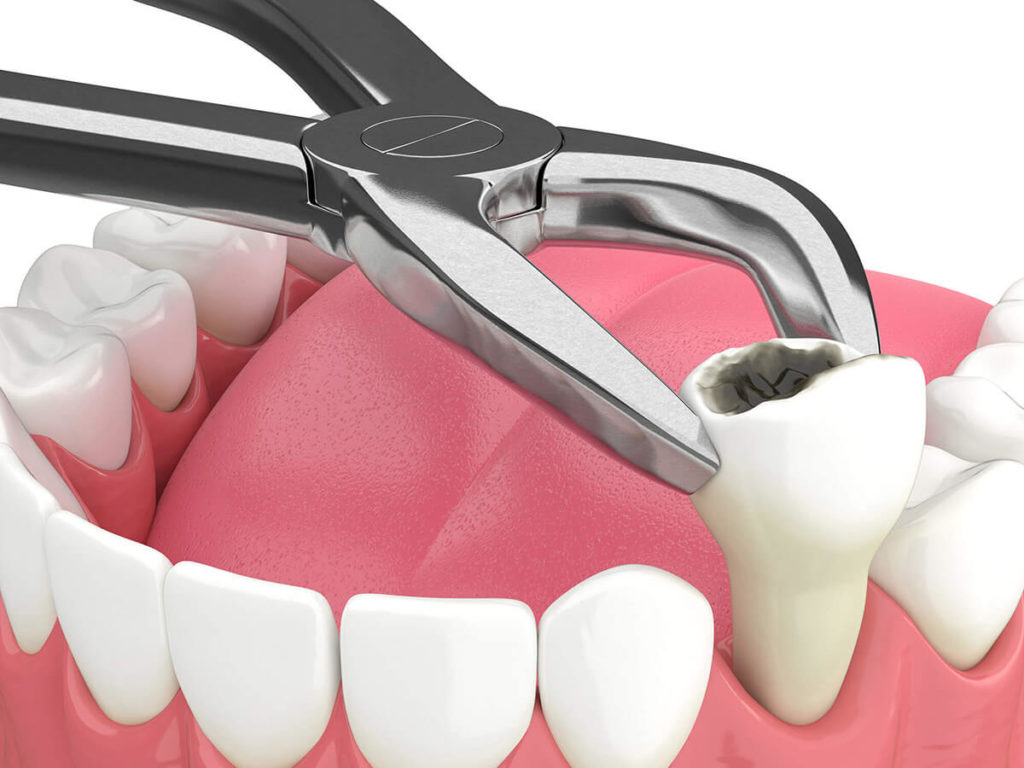
Tooth extraction is a common dental procedure used to remove a tooth that can’t be saved. It may be recommended when a tooth is severely damaged by decay or infection, overcrowded, impacted (such as wisdom teeth), or causing pain and oral health issues. Extractions help prevent the spread of infection, relieve discomfort, and protect surrounding teeth and gums. While removing a tooth can sound intimidating, modern techniques make the process safe and comfortable.
Our team will always explore other treatment options first and recommend an extraction only when it’s the best solution for your long-term oral health.
-
How can I prevent dry socket after an extraction?
After a tooth extraction, protecting the blood clot is key to preventing dry socket. For the first 24 to 72 hours, avoid smoking, vaping, drinking through straws, or vigorous rinsing, as these actions can dislodge the clot. Stick to soft foods, stay hydrated, and chew on the opposite side of your mouth. Gently brush around the area, but skip the extraction site until advised. Using prescribed rinses or medications as directed and attending follow-up visits helps ensure smooth, comfortable healing. Call our office with concerns or unexpected pain at any time.
-
When and why do wisdom teeth removed?
Wisdom teeth often appear in the late teens or early twenties, and sometimes they come in without causing problems. But because many mouths don’t have enough room, these back molars can become impacted (trapped under the gums) or grow in at an angle. This may lead to pain, swelling, infection, crowding of nearby teeth, or damage to surrounding bone and roots. Removing wisdom teeth can help prevent future complications and protect your long-term oral health. If you’re noticing discomfort or changes, an evaluation can confirm the best next step.
Learn About Wisdom Teeth Removal -
What are restorative options for an extracted tooth?
After a tooth is extracted, restoring your smile helps protect your oral health and confidence. Today’s restorative options are designed to look natural and function comfortably. Dental implants replace the tooth root for a strong, long-term solution. Bridges fill the space by anchoring to neighboring teeth, while partial dentures offer a removable, budget-friendly alternative. Our team will help you choose the option that best fits your needs, lifestyle, and goals, so you can smile, chew, and speak with ease again. Personalized guidance ensures results and peace of mind for every patient.
Need More Information on Tooth Extraction?
If you would like to learn more about when and why a tooth needs extracted, or if you think you may need a tooth extracted, contact us today.