Wisdom Teeth Removal
Wisdom teeth removal can help prevent pain, crowding, infections, and damage to nearby teeth. By addressing problematic wisdom teeth early, you can protect your smile and avoid more serious complications later. Our team keeps you comfortable and informed every step of the way.
Wisdom Teeth Removal
in Scottsbluff, NE
Wisdom tooth removal involves removing one or more third molars, usually in the late teens or early adulthood. These teeth often don’t have enough room to come in properly, which can lead to pain, swelling, crowding, infection, or damage to nearby teeth. Removal may be recommended if wisdom teeth are impacted, hard to clean, or likely to cause future problems. By addressing them early, wisdom teeth removal can help protect your oral health, reduce discomfort, and prevent more serious dental issues—keeping your smile healthy and comfortable for years to come.
Wisdom tooth removal is considered a type of oral surgery, and it can be performed by your dentist. The procedure can also be done in-house at Platte Valley Dental Group. Wisdom teeth removal usually requires a general anesthetic, especially if you are having more than one wisdom tooth pulled at the same time.
-
When do wisdom teeth need removed?
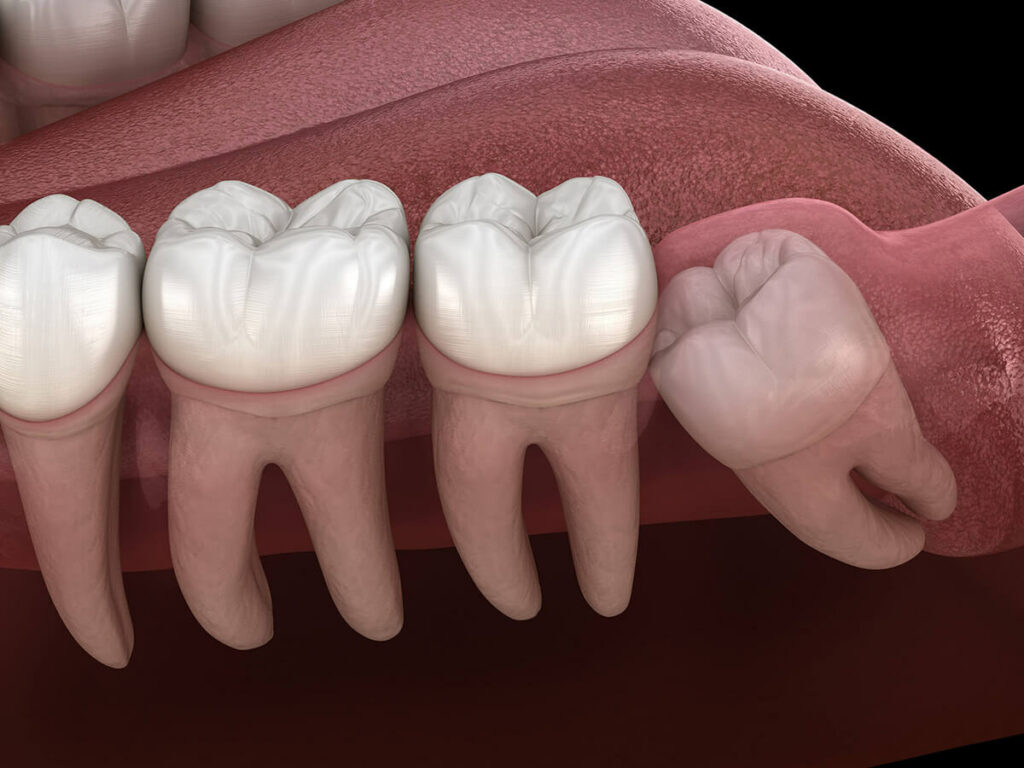
Wisdom teeth don’t always need to be removed, but they often do when they don’t have enough room to come in properly. If a wisdom tooth is impacted (stuck under the gum), coming in sideways, or only partially erupted, it can lead to pain, swelling, infections, tooth decay, or crowding of nearby teeth.
Many people choose removal before problems start, especially in the late teens or early twenties. A quick exam and digital X-rays can show whether your wisdom teeth are likely to cause trouble.
-
What aftercare is needed after wisdom tooth removal?
After wisdom tooth removal, good aftercare helps you heal faster and feel more comfortable. For the first 24 hours, rest, keep your head elevated, and bite gently on gauze as directed to control bleeding. Use an ice pack on your cheek in short intervals to reduce swelling. Stick to soft foods, avoid hot drinks, and don’t use straws or smoke—both can disturb the blood clot and slow healing. Take prescribed medications as instructed, rinse gently with salt water after the first day, and call us if pain or swelling worsens.
-
What is an impacted wisdom tooth?
An impacted tooth is a tooth that can’t fully come in (erupt) into the mouth because something is blocking it, often another tooth, dense bone, or limited space. Wisdom teeth are the most common, but other teeth can be impacted as well. Some impacted teeth cause no symptoms, while others lead to pain, swelling, jaw stiffness, bad breath, or crowding. Left untreated, they can increase the risk of infection or damage to nearby teeth. A dental exam and X-rays can confirm what’s happening and the best next step.
More Questions About
Wisdom Teeth Removal?
If you would like more information on wisdom tooth removal or think your wisdom teeth may need extracted, contact our expert team today!